
Balance Transfer Credit Cards
A balance transfer credit card can be a powerful tool to clear expensive debt. This guide explains how to move outstanding balances from high-interest credit or store cards to a new card with a 0% or low-interest introductory period. Following these steps can save you hundreds, or even thousands, of pounds in interest payments, helping you become debt-free faster. This process is for anyone feeling stuck paying high interest on existing card debt and looking for a structured way to pay it off more efficiently.
Fast Answer
- What it is: A new credit card used to pay off old credit card debts.
- Main Benefit: Pay 0% interest on the transferred debt for a promotional period (e.g., 12-30 months).
- Primary Cost: A one-off transfer fee, typically 1-4% of the amount you move.
- The Goal: Clear the entire debt before the 0% period ends.
Before You Start
- Total debt amount: You need an exact figure of the debt you wish to transfer. Go through your latest statements for all credit and store cards.
- Details of your existing cards: Have the card numbers and provider names to hand.
- Your credit report: Access an up-to-date copy of your credit file from a major UK agency (Experian, Equifax, or TransUnion). Many services offer free access.
- Personal and financial details: You'll need your address history for the last three years, your annual income, and details of major monthly outgoings like rent or mortgage payments.
- A calculator and a calendar: To work out repayments and mark the crucial date when your 0% offer ends.
Step-by-Step Instructions
Step 1: Calculate Your Total Debt
Before you can find the right tool for the job, you need to know the size of the job. Go through the latest statements for every credit card, store card, or catalogue account that is charging you interest. Add up the outstanding balances to get a single, precise figure.
This total amount is what you'll be aiming to transfer. Knowing this number is vital because it determines the credit limit you will need on your new balance transfer card. Don't estimate; be exact. This clarity prevents you from applying for a card that might not offer a large enough limit to consolidate all your debts.
Step 2: Check Your Credit Report and Score
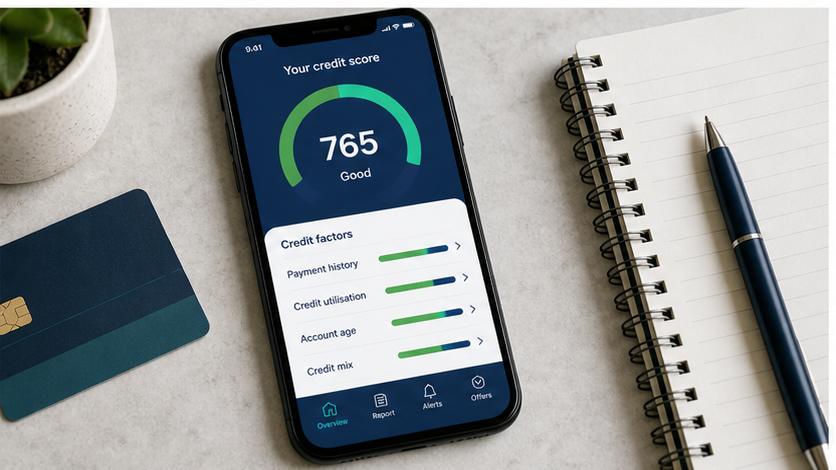
Your credit score is the single most important factor determining which balance transfer deals you'll be accepted for. The longest 0% periods and lowest fees are reserved for applicants with excellent credit histories. Before you even look at deals, you must know where you stand.
Obtain a copy of your full credit report from one of the three main UK Credit Reference Agencies: Experian, Equifax, or TransUnion. Check it carefully for any errors, such as incorrect addresses or accounts you don't recognise. If you find mistakes, contact the agency to have them corrected, as they could be dragging your score down. A higher score significantly increases your chances of being approved for the best market-leading cards.
Step 3: Compare Balance Transfer Card Deals
Now you can start shopping around. When comparing cards, focus on three key features:
- The 0% period: How many months do you get interest-free? Longer is usually better, as it gives you more time to repay the debt.
- The transfer fee: This is a one-off charge, calculated as a percentage of the debt you move. For example, a 3% fee on a £5,000 transfer would cost you £150. This fee is added to your new balance.
- The revert rate (APR): This is the high interest rate you'll be charged on any remaining balance once the 0% promotional period ends. You should aim to have cleared the debt before this kicks in.
Often, there is a trade-off. The cards with the longest 0% periods might have the highest fees. Conversely, a card with a lower fee might have a shorter 0% window. Use your calculated debt total to work out which combination is best for you. A shorter period might be fine if you know you can make large repayments, saving you money on the fee.
Step 4: Use an Eligibility Checker
Once you have a shortlist of one or two suitable cards, do not apply directly. Instead, use an eligibility checker or 'soft search' tool, which are widely available on comparison sites and the lenders' own websites.
This tool takes your personal details and performs a preliminary check that is not visible to other lenders and does not affect your credit score. It will give you a percentage chance or a clear indication of your likelihood of being approved. Only proceed with a full application if the eligibility checker suggests you have a high chance of success. This is the best way to protect your credit score from the negative impact of a rejected application.
Step 5: Complete the Full Application
If the eligibility check is positive, you can proceed to the full application. This will involve providing all the personal and financial information you gathered earlier. Be honest and accurate with all your details, especially your income, as lenders will use this to assess affordability. The lender will now perform a 'hard search' on your credit file, which will be recorded for other lenders to see.
You may receive an instant decision online, or it might take a few days for the lender to review your application. If approved, you will be told your new credit limit. With luck, this will be high enough to cover the entire debt you wish to transfer.
Step 6: Initiate the Balance Transfer
Once your new card arrives, you need to formally request the balance transfer. You cannot simply use the new card to pay off the old one like a normal purchase. The transfer process is usually done through your new card provider's online banking portal or mobile app. You will need to provide the card numbers of your old accounts and the specific amounts you want to move from each.
Crucially, pay attention to the transfer window. Most offers require you to make the transfer within the first 60 or 90 days of opening the account to qualify for the 0% deal. Don't delay. The transfer itself can take anywhere from a few days to two weeks to complete. Continue to make minimum payments on your old cards until you have confirmation that the balances have been cleared.
Step 7: Create a Repayment Plan and Manage Your Accounts
Your debt has moved, but it has not disappeared. The primary goal is to clear the entire balance before the 0% period expires. To do this, divide your total new balance (including the transfer fee) by the number of months in your 0% deal. For example, a £5,150 balance (£5,000 debt + £150 fee) on a 20-month deal requires a payment of £257.50 every month.
Set up a monthly direct debit for this amount immediately. Relying on making manual minimum payments is a common mistake that can leave you with a large, interest-accruing balance when the deal ends.
Finally, decide what to do with your old cards. While it might be tempting to close them, this can sometimes lower your credit score by reducing your total available credit. A better option can be to keep the accounts open with a zero balance, perhaps using them for a tiny, regular purchase that you pay off in full each month to show responsible usage.
Quick Reference
| Situation | Use this | Why |
|---|---|---|
| You have a large debt and need maximum time to repay it. | Card with the longest 0% period. | This minimises your required monthly payment, making it more manageable, even if the one-off transfer fee is higher. |
| You have a smaller debt you can clear quickly. | Card with the lowest or no transfer fee. | You save money on the upfront cost, even if the 0% period is shorter (e.g., 12 months instead of 24). |
| You're unsure if you'll be accepted for the best deals. | An eligibility checker before applying. | It protects your credit score from the damage of a rejected application by using a 'soft search'. |
| You need to make new purchases as well as transfer a balance. | A separate 0% purchase card. | Most balance transfer cards charge high interest on new spending, so it's best to keep transactions separate. |
Common Problems When You Use Balance Transfer Credit Cards
My application was rejected. What now?
This is disappointing but not uncommon. The first step is to do nothing for a while. Do not immediately apply for another card, as this will add another hard search to your file and make you look desperate for credit. Instead, find out why you were rejected. The lender must give you a reason if you ask. Most often it's due to a low credit score, a history of missed payments, or affordability concerns. Wait at least three to six months, focus on improving your credit score by paying all bills on time, and try again using an eligibility checker.
The new credit limit doesn't cover my whole debt. What are my options?
This can happen if the lender isn't comfortable offering you the full amount. You have a few options. You can perform a partial transfer, moving as much of the debt as your new limit allows. Prioritise moving the debt from the card with the highest interest rate first. You would then need to continue paying off the remaining, smaller balance on the old card. Alternatively, after a few months of responsible use of the new card, you could request a credit limit increase to potentially transfer the rest of the balance over later (check if the 0% offer is still valid for new transfers).
I missed a monthly payment on my new card. What happens?
Missing a payment is a serious mistake. In most cases, it will immediately invalidate your promotional 0% interest rate. The provider will move you onto their standard, much higher, APR. This means your debt will start growing again, defeating the entire purpose of the transfer. You will also be charged a late payment fee, and the missed payment will be recorded on your credit file, damaging your score. Always set up a direct debit for at least the minimum payment to prevent this.
I accidentally spent money on my balance transfer card. Is that a problem?
Yes, this is a very common pitfall. Most balance transfer cards do not offer a 0% rate on new purchases. Any new spending will start accruing interest at the card's standard APR, which is often very high (25% or more). Furthermore, under payment allocation rules, your monthly repayments will typically be used to pay off the cheapest debt (your 0% balance) first, meaning your expensive new purchase debt can sit there, growing with interest, for a long time. Keep the card at home and do not use it for spending.
Advanced Tips for Balance Transfer Credit Cards
- Set a Calendar Alert: The most important tip of all. Set a reminder on your phone or calendar for two months before your 0% deal is due to end. This gives you plenty of time to either clear the final balance or, if necessary, look for another balance transfer deal to switch to without being hit by high interest rates.
- Consider a "Money Transfer" Card: If you need to pay off an overdraft rather than credit card debt, a standard balance transfer won't work. Look for a specialist "money transfer" card. This allows you to transfer a lump sum of cash directly into your bank account for a fee, which you can then use to clear your overdraft. The principle of a 0% period still applies.
- Micro-Repayments: If your monthly budget is tight, consider making smaller, weekly repayments instead of one large monthly one. This can help with cash flow and psychologically feels more achievable, keeping you on track to clear the debt.
- The "Stoozing" Strategy (For Experts Only): This is a high-risk strategy for the financially savvy and disciplined. It involves taking out a 0% balance transfer card but keeping your own cash in a high-interest savings account to earn interest. You then pay off the entire credit card debt in one go just before the 0% period ends, pocketing the interest you've earned as profit. This is risky because it requires perfect timing and discipline; if you miss the deadline or spend the savings, you'll be left with a huge debt at a high APR.
Balance Transfer Credit Cards FAQ
Can I transfer a balance from a personal loan?
Generally, no. Balance transfers are designed specifically for moving debt from one credit card or store card to another. To pay off a loan, you would need a "money transfer" card or a new, cheaper personal loan.
How long does the transfer process take?
It varies by provider, but typically takes between 3 and 14 working days. It's not instant, so ensure you continue to make payments on your old card until you see the balance has been fully cleared.
Will getting a balance transfer card hurt my credit score?
There's a short-term and a long-term answer. In the short term, the 'hard search' from your application will cause a small, temporary dip in your score. However, in the long term, it should improve your score significantly. This is because you are consolidating your debts and lowering your 'credit utilisation' (the percentage of your available credit that you are using), which lenders view very positively.
What is the best balance transfer card?
There is no single "best" card. The best card for you depends entirely on your personal circumstances: your credit score, the amount of debt you have, and how quickly you can realistically pay it off. The best deal is the one that gives you enough time to clear your debt for the lowest possible fee.
Final Checklist for Balance Transfer Credit Cards
- You have a precise total of all the credit card debts you wish to consolidate.
- You have checked your credit report for errors and know your current score.
- You have used a soft-search eligibility checker to find a card you are likely to be approved for.
- You have read the card's terms and noted the transfer fee and the revert APR.
- After being approved, you have completed the transfer within the promotional window (e.g., the first 60 days).
- You have calculated the monthly repayment needed to clear the full balance before the 0% offer ends.
- You have set up a monthly Direct Debit for that calculated amount.
- You have put a reminder in your calendar for two months before the 0% deal expires.
- You have decided to either stop using or formally close your old credit card accounts.
- You have committed not to use the new card for any new spending.