
Credit Card Rewards
This guide explains how to approach credit card rewards, including the preparation, practical steps, common mistakes, and final checks that help you finish with confidence.
Before You Start
Step-by-Step Instructions
Quick Reference
Common Problems When You Use Credit Card Rewards
Problem: Interest charges are costing more than the rewards earned.
Solution: This is the most common pitfall. The only fix is to pay your statement balance in full every single month. Set up a Direct Debit for the full amount. If you are already carrying a balance, stop using the rewards card and focus on clearing the debt, potentially by moving it to a 0% balance transfer card.
Problem: You overspend to chase a sign-up bonus or more points.
Solution: This requires discipline. Always refer back to your monthly budget. Think of the rewards card as a payment method, not a reason to spend. If a sign-up bonus requires you to spend £3,000 in three months, but your normal spending is only £800 a month, that bonus is not for you. It will cost you more than it's worth.
Problem: Your points or miles have expired.
Solution: Prevention is the best cure. When you get the card, put a recurring calendar reminder in your phone for one month before the points are due to expire. This gives you time to find a good way to redeem them. If they have already expired, it's worth a polite call to customer service, but be prepared for them to say no.
Problem: The annual fee outweighs the benefits.
Solution: At the end of each year, do a simple calculation. Add up the value of all the rewards you earned. Subtract the annual fee. If the result is negative or very small, the card isn't right for you. Consider switching to a no-fee rewards card or calling the provider to see if they will waive the fee for your loyalty (this is rare, but possible).
Advanced Tips for Credit Card Rewards
Use a Two-Card Strategy
For more experienced users, holding two different rewards cards can maximise returns. For example, use one card that gives a high reward rate on groceries and fuel, and a second, different card that gives a good flat-rate cashback on everything else. This requires more management but can significantly boost your overall earnings if you are organised.
Look for Lucrative Sign-Up Bonuses
The most valuable rewards often come from introductory offers, such as "Spend £1,000 in the first 3 months and get 20,000 bonus points." If you have a large, planned purchase coming up (like a holiday or new appliance), you can time your application to meet this spending threshold easily and bag the bonus without changing your habits.
Understand Section 75 Protection
This isn't a rewards tip, but a crucial benefit. For any purchase between £100 and £30,000 made on a credit card, the card provider is jointly liable with the retailer if something goes wrong. If the goods are faulty or the company goes bust, you can claim your money back from the card company. This is a powerful piece of consumer protection that you don't get with debit cards or cash.
Refer-a-Friend Schemes
Once you have a card you like, check if the provider offers a referral bonus. If you recommend the card to a friend and they are accepted, you can both often receive bonus points or cashback. It's an easy win if you genuinely think the product is good and your friend is suitable for it.
Credit Card Rewards FAQ
Will using a rewards card affect my credit score?
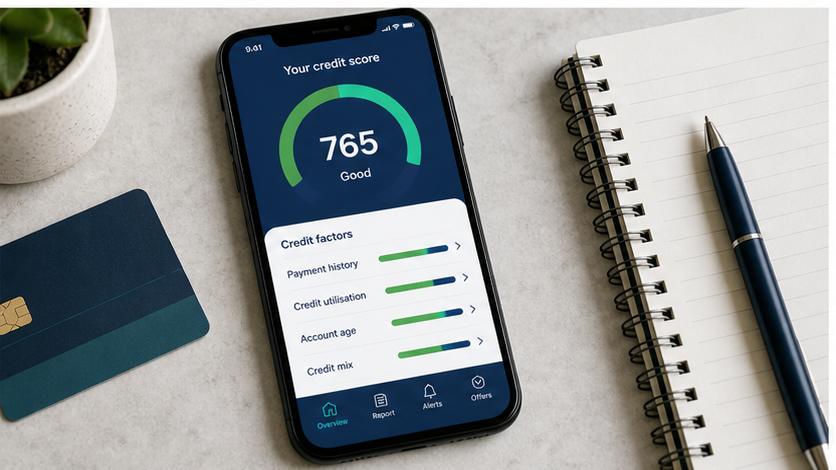
Using a rewards card responsibly is good for your credit score. Making regular payments on time and staying well below your credit limit shows lenders you are a reliable borrower. However, missing payments, maxing out the card, or making multiple applications in a short time can harm your score.
Are credit card rewards taxable in the UK?
No, for personal use, credit card rewards like cashback, points, and air miles are not considered income by HMRC and are therefore not subject to income tax. They are treated as a discount on your spending.
What happens to my points if I close my account?
You will almost certainly lose them. It is crucial to redeem all your points or cashback before you close the account. Check the provider's terms, but the standard policy is that any remaining rewards are forfeited upon account closure.
Can I get a rewards card if I have a bad credit history?
It is very unlikely. The best rewards cards are reserved for those with good to excellent credit scores. If your credit history is poor, you should focus on a credit-builder card first to improve your score before thinking about rewards.