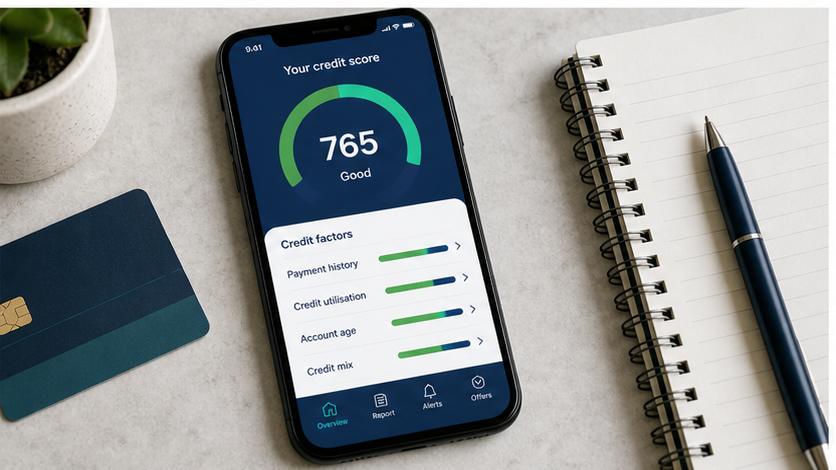

Credit Score Free Credit
This guide explains how to approach credit score free credit, including the preparation, practical steps, common mistakes, and final checks that help you finish with confidence.
Before You Start
Gathering a few key details beforehand will make the sign-up process smooth and quick. The credit agencies need this information to confirm you are who you say you are and to match you with the correct credit file.
What You Need
Safety, Timing, or Context Checks
The most important thing to understand is the difference between a 'soft' and 'hard' credit search. When you check your own score, it's a soft search. This is only visible to you and does not affect your score in any way. A 'hard search' happens when you formally apply for credit, and these are visible to other lenders. Too many hard searches in a short period can lower your score.
Step-by-Step Instructions
Follow these steps to access your credit information securely and without charge. We recommend checking your report with at least one agency to begin with.
Quick Reference
Common Problems When You Check Your Credit Score
While the process is usually straightforward, a few common issues can arise. Here’s how to handle them.
Advanced Tips for Your Credit Score
Once you've mastered the basics, use these strategies to get more out of your credit report.
Stagger Your Checks Throughout the Year
Instead of checking all three reports at once, consider a rotation. For example, check Experian in January, ClearScore (Equifax) in May, and Credit Karma (TransUnion) in September. This gives you a comprehensive view of your credit files spread across the year, making it more likely you'll spot any issues quickly without it feeling like a major task.
Use Eligibility Checkers Before Applying
When you're ready to apply for new credit, don't just apply blindly. Most comparison sites and even lenders' own websites offer 'soft search' eligibility checkers. These tools give you a percentage chance of being accepted for a product based on a soft search of your file. This allows you to shop around for credit with confidence, only submitting a full application (which triggers a hard search) when you know you have a high chance of success.
Add a Notice of Correction
If you have a period of missed payments due to a specific life event like redundancy, illness, or a relationship breakdown, you have the right to add a 'Notice of Correction' to your file. This is a short statement (up to 200 words) explaining the circumstances. While it won't change your score, it must be read by any human underwriter reviewing a manual application, giving valuable context to a difficult period.