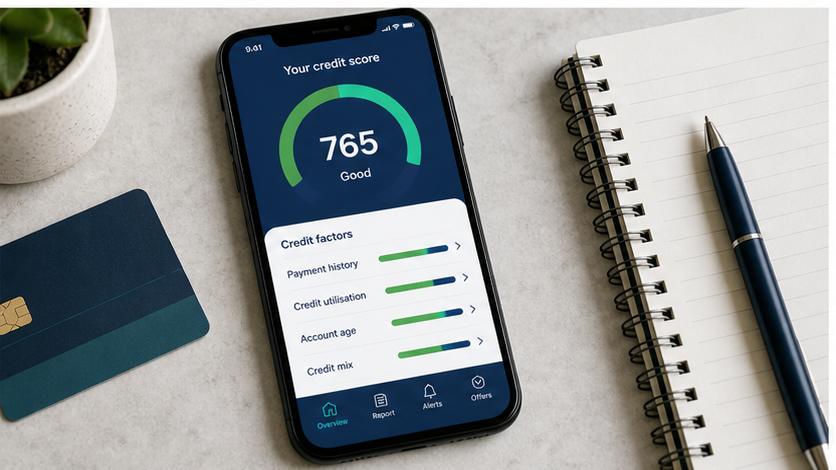

Fico Credit Score
This guide explains how to approach fico credit score, including the preparation, practical steps, common mistakes, and final checks that help you finish with confidence.
Before You Start
Understanding your credit score is the first step towards improving your financial health. Before you dive in, it's crucial to know which scores matter in the UK and what information you'll need to access them.
Step-by-Step Instructions
Quick Reference
Common Problems When You Check Your Credit Score
My Scores from the Three Agencies Are Different
This is the most common point of confusion, but it's entirely normal. There are two main reasons for this. First, not all lenders report your account information to all three CRAs. A credit card you have might only report to Experian and Equifax, but not TransUnion. Second, each agency uses its own proprietary algorithm to calculate your score, so even with the exact same data, they would produce different numbers.
I Paid for a "FICO Score" in the UK
Unfortunately, some services might use the well-known FICO brand to attract customers. If you've paid for a FICO score in the UK, understand that this score has no practical use for UK credit applications. You should focus on the free services that provide your statutory reports and scores from Experian, Equifax, and TransUnion. You are legally entitled to a free copy of your full statutory report from each agency.
My Score Dropped After I Checked It
Checking your own credit score is known as a "soft search" or "soft inquiry." Soft searches are only visible to you and do not affect your credit score at all. You can check your score as often as you like without any negative impact. A score drop is always caused by something else, such as a recent application for new credit (a "hard search"), a missed payment, or an increase in your credit card balance.
Advanced Tips for Your Credit Score
Master Your Credit Utilisation Ratio
Simply avoiding maxing out your credit cards is good, but being strategic is even better. Your credit utilisation ratio is calculated both per-card and overall. Lenders see high utilisation (e.g., using £900 of a £1,000 limit) as a sign of financial stress. For the best impact on your score, aim to keep your balance below 30% of the credit limit on every card. For example, on a card with a £2,000 limit, try to keep the balance under £600.
Build Your Credit File from Scratch
If you're young or new to the UK, you may have a "thin credit file," meaning there isn't much data for lenders to assess. This can make getting approved for credit difficult. You can build your file by:
Use Eligibility Checkers Before You Apply
Every time you submit a formal application for a credit card, loan, or mortgage, the lender performs a hard search on your credit file. Too many of these, especially if you are rejected, can make you look desperate for credit and lower your score. To avoid this, always use a free eligibility checker first. These tools perform a soft search (which doesn't harm your score) to give you a percentage chance of being accepted for a product before you commit to a full application.
Fico Credit Score FAQ
Final Checklist for Your Credit Score
Use this final checklist to ensure you're focusing on what truly matters for your credit health in the UK.
FAQ
What should I check before I start?
Check the goal, the key prerequisite, and any current instructions that could change the safest next step for fico credit score.
How can I tell whether the result is working?
Use the practical checks in the guide, pause if a required step is unclear, and verify the finished result against the intended outcome.