
Good Credit Score
A good credit score is your passport to better financial deals, unlocking lower interest rates on everything from mortgages to mobile phone contracts. This guide explains exactly what a good credit score looks like in the UK, why it matters, and provides a clear, step-by-step process to check, build, and maintain yours. Whether you're planning a big purchase, recovering from a financial hiccup, or just want to get your finances in order, these practical steps will help you take control of your credit rating and save money.
Fast Answer
- What is a good score?: Typically, a score above 800 is considered good by most UK lenders, but each credit agency uses a different scale.
- Key Action: Register on the electoral roll at your current address.
- Biggest Impact: Always pay every bill on time, every single month.
Before You Start good credit score
- Access to your credit reports: You will need to check your files with the three main UK Credit Reference Agencies (CRAs): Experian, Equifax, and TransUnion. You can access these for free.
- Proof of address and ID: You may need these to register on the electoral roll or to correct information on your credit file. A driving licence or passport and a recent utility bill are usually sufficient.
- List of current credit accounts: Gather details of any credit cards, loans, mortgages, and mobile phone contracts you currently have.
- Patience and consistency: Improving a credit score is a marathon, not a sprint. There are no legitimate overnight fixes.
Step-by-Step Instructions
Check Your Credit Reports from All Three Agencies
Your first action is to see what lenders see. In the UK, there isn't one universal credit score; there are three main Credit Reference Agencies (CRAs), and lenders may check with one, two, or all three. It's crucial to check each one for errors and to understand your standing.
The three agencies are Experian, Equifax, and TransUnion. By law, you have the right to view your statutory credit report for free. However, many free services offer ongoing access, which is more practical. For example, you can check your Experian score via the MSE Credit Club, your Equifax score via ClearScore, and your TransUnion score via Credit Karma.
When you get your reports, review them carefully. Check that all personal details (name, address, date of birth) are correct. Ensure all listed accounts belong to you and that the payment history is accurate. Make a note of anything that looks wrong.
Register on the Electoral Roll
This is one of the quickest and most powerful ways to boost your credit score. Lenders use the electoral roll to confirm your name and address, which helps them prevent identity fraud. Being on the roll shows stability and makes you a more trusted applicant.
If you're not registered, or if you've recently moved house, you can register online via the official gov.uk website. It only takes about five minutes. It can take a month or two for this change to appear on your credit files, but its impact is significant. Ensure the address you use for credit applications is the exact same one listed on the electoral roll.
Manage Existing Debt Responsibly
How you handle your current credit is the most influential factor in your score. The two golden rules are: pay on time and keep balances low.
A single missed or late payment can stay on your report for six years and significantly lower your score. The best way to avoid this is to set up Direct Debits for at least the minimum payment on all your credit accounts. This ensures you never miss a due date. Of course, it's always better to pay the full balance if you can to avoid interest charges.
The second part is your 'credit utilisation'. This is the percentage of your available credit that you're currently using. For example, if you have a credit card with a £2,000 limit and a balance of £1,000, your utilisation is 50%. Lenders see high utilisation as a sign of financial stress. Aim to keep your utilisation below 30% across all your accounts. If it's higher, focus on paying down the balances.
Correct Any Errors on Your Files
Mistakes happen. A simple admin error by a lender could be harming your score. If you found any inaccuracies in Step 1, you must get them corrected. This could be a misreported late payment, an account you don't recognise, or an incorrect address.
You need to contact both the lender and the credit reference agency to dispute the error. Provide as much evidence as you can. The CRA has 28 days to investigate and either remove the incorrect information or tell you why they believe it's correct. If an entry is factually correct but misleading (e.g., a late payment was due to a bank error), you can add a 'Notice of Correction'. This is a short statement of up to 200 words that explains the circumstances, which must be shown to any lender who views your file.
Limit and Space Out New Credit Applications
Every time you formally apply for credit, the lender performs a 'hard search' on your file. This search is visible to other lenders and is recorded for about 12 months. Too many hard searches in a short period can make you look desperate for credit, which lowers your score.
When shopping for a loan or credit card, use eligibility checkers or 'soft search' tools first. These give you an indication of your chances of being accepted without leaving a hard mark on your file. Only make a full application when you're confident you'll be accepted and have chosen the best product. Try to leave at least three to six months between any formal credit applications.
Disassociate from Ex-Partners
If you've ever had a joint financial product with someone, like a mortgage or a bank account, you are 'financially associated' with them. This means their credit history can affect yours. If your ex-partner has poor credit management, it could be dragging your score down.
If you no longer have any active joint accounts with that person, you can ask the credit reference agencies to issue a 'notice of disassociation'. You'll need to contact each of the three agencies separately to do this. This will sever the link, meaning their financial behaviour will no longer be considered when you apply for credit.
Build a Positive Credit History
If you have very little or no history of borrowing money (a 'thin' credit file), lenders have no evidence of how you handle debt. This can make it hard to get approved for credit, even if you've never had any financial problems.
A good way to build a history is with a 'credit-builder' credit card. These cards typically have low credit limits and high interest rates. The key is to use it for a small, regular purchase each month (like a tank of petrol or your Netflix subscription) and then pay the balance off in full every single month via Direct Debit. This demonstrates to lenders that you are a reliable borrower. After 6-12 months of perfect use, you should see a significant improvement in your score.
Quick Reference
| Situation | Use this | Why |
|---|---|---|
| You have a 'thin' credit file with no history | Register to vote and use a credit-builder card for small, regular spending. | This proves your identity and address, and builds a positive track record of responsible borrowing. |
| Your credit utilisation is high (over 50%) | Prioritise paying down credit card and overdraft balances. | Lenders see high utilisation as a sign of financial difficulty. Getting it below 30% is a major plus. |
| You've found an error on your credit report | Raise a dispute with both the lender and the credit reference agency. | Incorrect negative information can severely damage your score and must be removed. |
| You're financially linked to an ex-partner | Close all joint accounts and file for a 'notice of disassociation' with each CRA. | This severs the link, so their credit habits no longer impact your applications. |
Common Problems When You good credit score
Even with the best intentions, you might face some common hurdles. Here’s how to navigate them.
I missed a payment. What should I do?
First, pay what you owe as quickly as possible to prevent the debt from escalating. The damage of a single late payment lessens over time, but it will stay on your report for six years. If it was a one-off and you have a good history with the lender, it's worth calling them. They may, as a gesture of goodwill, agree not to report the late payment to the CRAs, though they are not obliged to do so.
I have a County Court Judgement (CCJ). Is my score ruined forever?
A CCJ is serious, but not permanent. It will stay on your credit file for six years from the date of issue. If you pay the full amount within one month of the judgement, you can have it removed from your file entirely. If you pay it after a month, it will be marked as 'satisfied', which looks much better to lenders than an unpaid debt. The most important thing is to manage all your other accounts perfectly to show that the CCJ was an exception, not the rule.
My credit card balances are high, and I can't seem to pay them down.
High credit utilisation is a major drag on your score. If you're struggling with interest charges, consider a 0% balance transfer credit card. This allows you to move your existing debt to a new card and pay it off without interest accumulating for a set period. Use an eligibility checker to see if you're likely to be accepted before applying. Crucially, don't spend on the old card and focus all your efforts on clearing the debt before the 0% period ends.
Advanced Tips for good credit score
- Use a rental reporting service: If you're a renter, services like CreditLadder or Canopy can report your monthly rent payments to the credit reference agencies. If you always pay your rent on time, this can add a strong record of reliability to your credit history.
- Keep old accounts open: Don't be too quick to close old, unused credit card accounts. The age of your credit accounts is a factor in your score. An older, well-managed account demonstrates a long history of responsible borrowing. Just ensure there are no annual fees and keep the card somewhere safe.
- Understand the 'score' is just a guide: Lenders don't just look at the three-digit number. They apply their own unique scoring criteria, looking at the full detail of your report, your application form, and any previous history they have with you. A 'good' score doesn't guarantee acceptance, and a 'fair' score doesn't always mean rejection. Focus on making your overall credit report as healthy as possible.
Good Credit Score FAQ
What is a good credit score number in the UK?
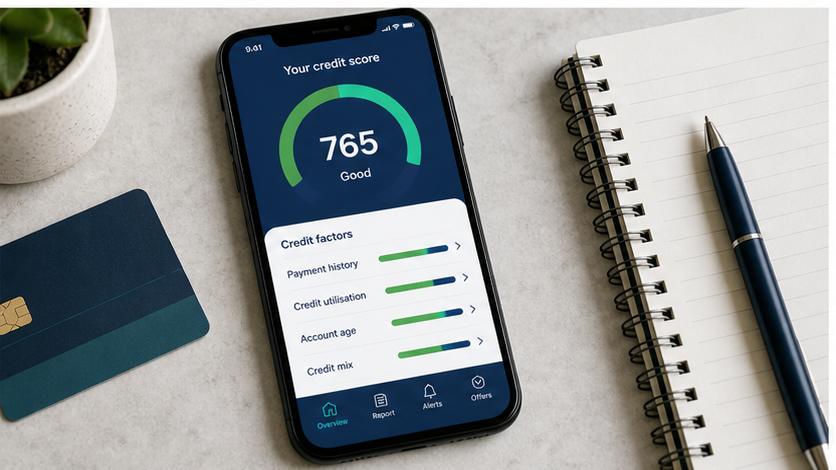
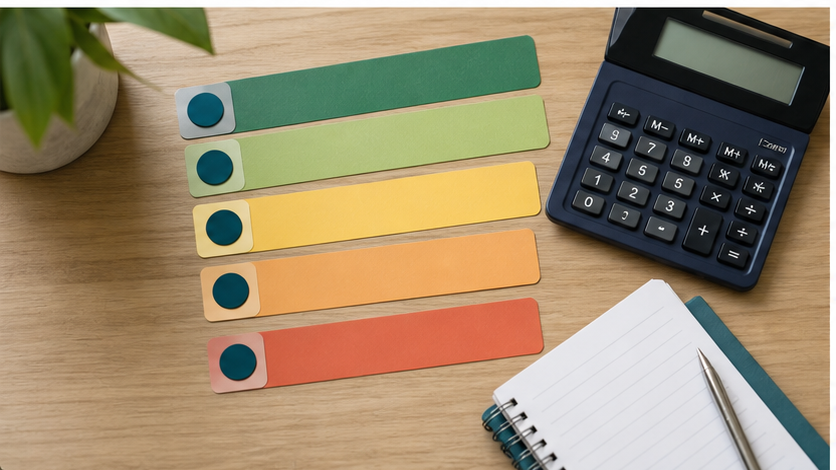
It varies, as each agency has a different scale. For Experian, the scale is 0-999, with 881-960 considered 'Good'. For Equifax, the scale is 0-1000, with 670-810 being 'Good'. For TransUnion, it's 0-710, and a 'Good' score is typically 604-627. Lenders look beyond the number, but aiming for these brackets is a solid goal.
Does checking my own credit score lower it?
No. Checking your own score is a 'soft search' and has no impact whatsoever on your rating. It's wise to check it regularly (at least once a month) to monitor your progress and catch any signs of fraud early.
How long do negative marks stay on my credit report?
Most negative information, including late payments, defaults, and CCJs, will remain on your credit file for six years from the date they were registered. After this period, they are automatically removed, even if the debt has not been fully repaid.
Will a payday loan affect my credit score?
Yes. While taking out a payday loan and repaying it on time won't necessarily tank your score, many mainstream lenders (especially mortgage providers) view a history of payday loan use as a red flag, indicating poor money management or financial distress. It's best to avoid them if you're planning to apply for major credit in the near future.
Final Checklist for good credit score
- Check all three credit reports: Get your reports from Experian, Equifax, and TransUnion and review them for errors.
- Register to vote: Ensure you are on the electoral roll at your current address.
- Automate payments: Set up Direct Debits for at least the minimum payment on all credit accounts to avoid missing due dates.
- Lower credit utilisation: Aim to use less than 30% of your available credit limit on cards and overdrafts.
- Dispute inaccuracies: Formally challenge any errors you find on your credit files.
- Cut old financial ties: File for a notice of disassociation from any ex-partners with whom you shared finance.
- Space out applications: Avoid making multiple applications for credit in a short space of time. Use soft searches first.