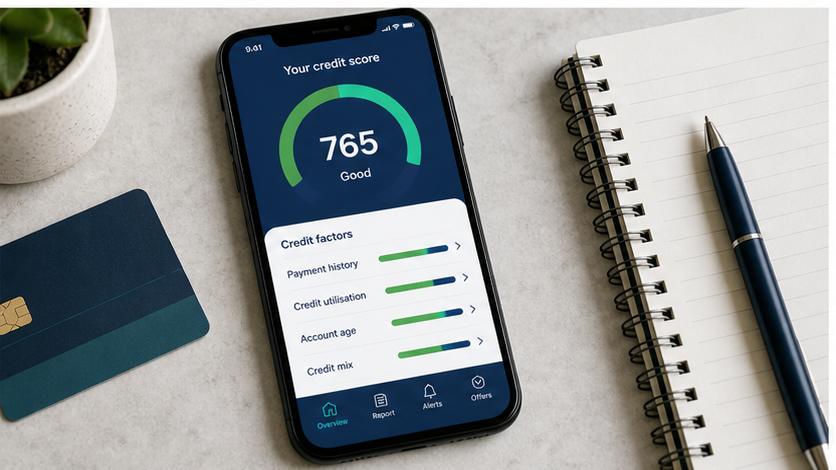
Highest Credit Score Possible
This guide explains how to approach highest credit score possible, including the preparation, practical steps, common mistakes, and final checks that help you finish with confidence.
Before You Start
Step-by-Step Instructions
Quick Reference
Common Problems When You Aim for the Highest Credit Score Possible
My Score Dropped After Paying Off Debt
This is a common and confusing situation. When you pay off an instalment loan (like a personal or car loan), the account is closed. This can cause a temporary dip in your score because it reduces the average age of your accounts and removes a well-managed account from your active 'credit mix'. As long as you continue to manage your other accounts perfectly, your score will recover within a few months.
I Have No Credit History (a 'Thin File')
Lenders are wary of those with no borrowing history because they have no evidence of how you manage debt. To solve this, you need to start building a positive record. The best first steps are getting on the electoral roll and potentially using a 'credit-builder' credit card. Use the card for a very small, manageable purchase each month (e.g., a £10 grocery bill) and pay the balance in full via Direct Debit. This demonstrates responsible use over time.
An Old Default Is Hurting My Score
Negative markers like defaults, County Court Judgements (CCJs), and late payments remain on your report for six years from the date they were registered. Paying off a defaulted account is the right thing to do and will show as 'satisfied' on your report, but it will not remove the default itself. Unfortunately, the main solution here is time. Once the six-year mark passes, it will automatically drop off your file, often resulting in a significant score increase.
Advanced Tips for a Perfect Credit Score
Use a Notice of Correction
If you have a period of missed payments due to a specific life event (e.g., redundancy, illness, bereavement), you can add a 200-word 'Notice of Correction' to your credit file. This note is shown to any lender who reviews your file, explaining the circumstances behind the financial difficulty. While it won't change your score, it forces a manual review by a human underwriter who may view your application more sympathetically.
Ask for Credit Limit Increases
If you have managed a credit card responsibly for a long time, you can ask the provider for a credit limit increase. If granted, this will instantly lower your credit utilisation ratio (assuming your spending stays the same). For example, a £500 balance on a £2,000 limit is 25% utilisation. If your limit is increased to £4,000, that same £500 balance is now only 12.5% utilisation, which looks better to the scoring algorithms.
Consider Experian Boost
Experian offers a free service called Boost that can add a small number of points to your score. By giving it secure, read-only access to your current account, it can identify and factor in regular payments that aren't normally counted, such as council tax, savings account deposits, and even payments to streaming services. This demonstrates financial responsibility and can be helpful for those with a limited credit history.
Highest Credit Score Possible FAQ
Final Checklist for a Perfect Score
FAQ
What should I check before I start?
Check the goal, the key prerequisite, and any current instructions that could change the safest next step for highest credit score possible.
How can I tell whether the result is working?
Use the practical checks in the guide, pause if a required step is unclear, and verify the finished result against the intended outcome.