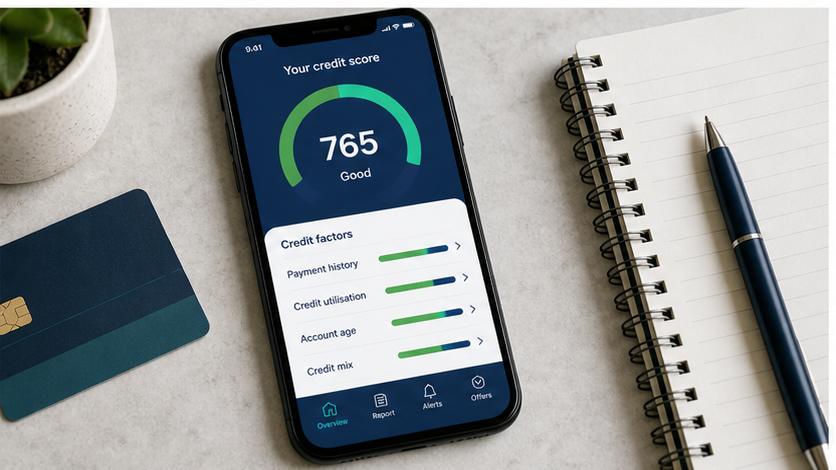

Highest Credit Score
This guide explains how to approach highest credit score, including the preparation, practical steps, common mistakes, and final checks that help you finish with confidence.
Before You Start
Step-by-Step Instructions
Quick Reference
Common Problems When You Aim for the Highest Credit Score
My score dropped after I paid off a loan. Why?
This is surprisingly common and usually temporary. When you close a long-standing, well-managed account like a personal loan or car finance, you lose that positive payment history from your active file. It reduces the average age of your accounts. The positive effect of having less debt will almost always outweigh this small, short-term dip. Don't worry about it.
I've never borrowed money, so why is my score low?
This is known as having a 'thin' credit file. If you've never used credit, lenders have no evidence of how you manage debt. They can't tell if you're a responsible borrower or not, so you're seen as a risk. To fix this, you need to build a credit history. A 'credit builder' credit card is a good starting point. Use it for a small, regular expense like your weekly groceries and pay the balance off in full every month by Direct Debit.
My scores from Experian, Equifax, and TransUnion are all different.
This is normal. Each agency uses its own scoring system (e.g., out of 999, 1000, or 710) and not all lenders report to all three agencies. Therefore, the data they hold can vary slightly. Don't obsess over the specific number. Instead, focus on the underlying information. As long as all three reports show positive factors like on-time payments, low utilisation, and electoral roll registration, you are in a strong position.
Advanced Tips for Highest Credit Score
Use Open Banking Services like Experian Boost
Experian offers a free service called Experian Boost. By giving it secure access to your main current account, it can analyse your history of paying for regular expenses like council tax, and even streaming services like Netflix and Spotify. A consistent record of making these payments on time can add points to your Experian score, as it provides more evidence of responsible financial management.
Add a Notice of Correction for Context
If your credit file has been negatively impacted by specific life events, such as a period of redundancy, illness, or a difficult divorce, you can add a 'Notice of Correction'. This is a short statement (up to 200 words) that you write to explain the circumstances behind any missed payments. While it won't change your score, a human underwriter is obliged to read it during a manual credit application, which could help your case.
Understand the Nuances of Hard Searches
While the general rule is to avoid multiple hard searches, credit scoring models are becoming more sophisticated. Multiple searches for a specific type of credit, like a mortgage or car loan, within a short timeframe (typically 14-45 days) are often grouped and treated as a single search. The system understands that you are shopping around for the best rate, not seeking multiple large loans. However, this doesn't apply to applications for credit cards or personal loans, so the safest strategy remains to use soft-check eligibility calculators first.