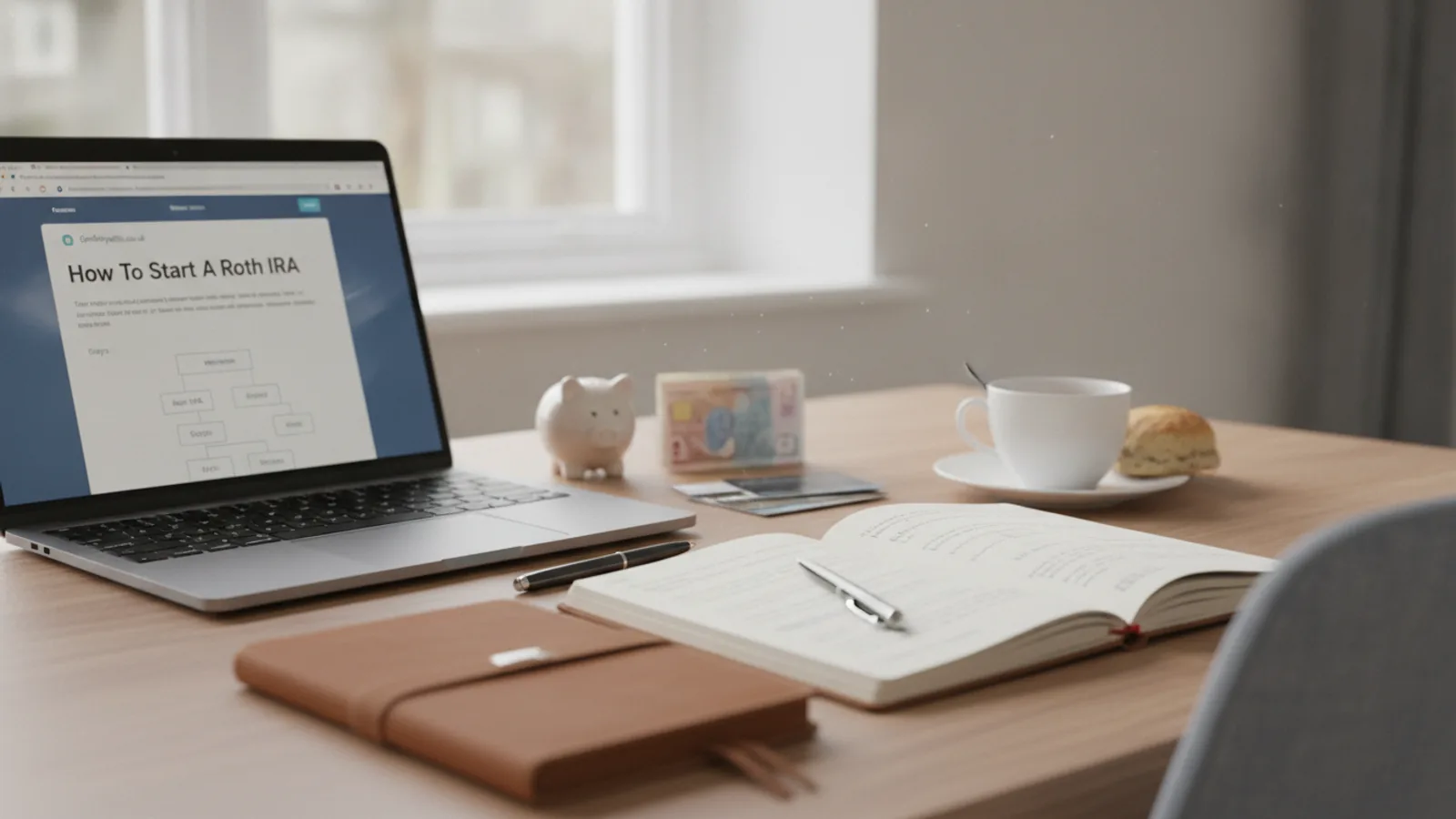
How To Start A Roth Ira
This guide explains how to approach how to start a roth ira, including the preparation, practical steps, common mistakes, and final checks that help you finish with confidence.
30-60 minutes Time needed
Beginner Difficulty
Platform fees & investment risk Watch out for
Before You Start
Opening an investment account is straightforward, but a little preparation ensures the process is smooth and you make informed choices from the outset. Here’s what you’ll need to hand and what to consider before you begin the application.
Check first: The value of your investments can go down as well as up, so you could get back less than you invest. Investment ISAs are generally suitable for goals that are at least five years away, giving your investments time to recover from any market downturns. This is a long-term savings vehicle, not a short-term cash account.
Step-by-Step Instructions
Quick Reference
Common Problems When You Start a Roth IRA (or UK ISA)
Problem: "Analysis Paralysis" - Too Many Choices
Problem: Forgetting to Actually Invest the Money
Problem: Misunderstanding the Lifetime ISA (LISA) Withdrawal Penalty
Advanced Tips for how to start a roth ira (or UK ISA)
Tip: Maximise Your Annual ISA Allowance
Tip: Automate and Reinvest Dividends
Tip: Understand the Power of Compounding
How To Start A Roth Ira FAQ
Is a Roth IRA the same as a UK ISA?
How much can I put into an ISA each year?
Can I lose money in a Stocks and Shares ISA?
What happens if my ISA provider goes bust?
Can I pay into more than one Stocks and Shares ISA in a year?
Final Checklist for how to start a roth ira (or UK ISA)
- Confirmed you are a UK resident for tax purposes and eligible to open an ISA.
- Decided between a flexible Stocks & Shares ISA or a goal-specific Lifetime ISA (LISA).
- Gathered your National Insurance number and UK bank account details.
- Compared at least two FCA-regulated investment platforms, paying close attention to their fees.
- Completed the online application and opened your new ISA account.
- Successfully funded the account with a one-off payment or by setting up a direct debit.
- Used the cash in your account to purchase your first investment, such as a diversified fund.
- Set a calendar reminder to review your investments in one year, not one day.