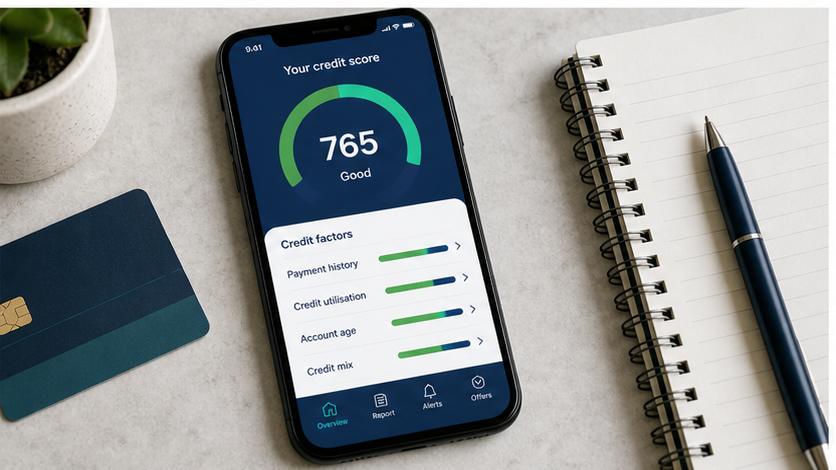

What Is Considered A Good Credit Score
This guide explains how to approach what is considered a good credit score, including the preparation, practical steps, common mistakes, and final checks that help you finish with confidence.
Before You Start
To check your credit score and understand its standing, you'll need to verify your identity with the credit reference agencies. Gather the following information before you begin:
How to Understand Your Credit Score's Standing
Quick Reference: Credit Score Bands
Common Problems When Checking Your Score
My Scores from Each Agency are Very Different
This is completely normal and expected. It happens for two main reasons. Firstly, each agency uses a unique algorithm to calculate the score. Secondly, not all lenders report your account activity to all three agencies. A loan provider might only report to Experian and Equifax, so it won't appear on your TransUnion report. Focus on making sure the data that is present on each report is correct.
I Found an Error on My Report
Mistakes happen. An old debt might still show as open, or a payment might be incorrectly marked as late. If you find an error, you must contact the credit reference agency directly to raise a dispute. They will investigate with the lender and, if your claim is valid, amend the report. You can also add a 'Notice of Correction'—a short, 200-word statement to explain the situation to any lender who reviews your file.
My Score Suddenly Dropped for No Reason
A significant drop is usually caused by a specific event. Common culprits include: a recent missed payment, a new 'hard search' from a credit application, a sharp increase in your credit card balance (high credit utilisation), closing a long-held credit account, or a County Court Judgement (CCJ) being registered against you. Review your report's recent activity to identify the cause.
I Have a 'Thin' Credit File
This means you have little to no credit history, making it difficult for agencies to assign you a high score. It's common for young adults or people new to the UK. While not a negative mark, it makes you an unknown risk to lenders. Building a history, even with a specialised "credit-builder" credit card, is the primary way to resolve this.
Advanced Tips for a Better Score
Use Eligibility Checkers Before Applying
Before you submit a formal application for a loan or credit card, use an eligibility checker or 'soft search' tool. These tools show your likelihood of acceptance without leaving a 'hard search' on your credit file. Applying only when you have a high chance of success protects your score from the negative impact of multiple rejections.
Manage Credit Utilisation Per Card
While keeping your overall credit utilisation below 30% is good, lenders also look at the utilisation on each individual card. Maxing out one card, even if your others are empty, can be seen as a red flag. Aim to keep the balance on every card below 30% of its limit for the best possible impact.
Check for Financial Links to Other People
If you've ever had a joint financial product with someone, like a mortgage or bank account, you are 'financially associated'. Their credit habits can impact your ability to get credit. If you are no longer linked financially (e.g., after a divorce), you can contact the CRAs to file for a 'financial disassociation' to break this link.
What Is Considered A Good Credit Score FAQ
Final Checklist for Understanding Your Credit Score
FAQ
What should I check before I start?
Check the goal, the key prerequisite, and any current instructions that could change the safest next step for what is considered a good credit score.
How can I tell whether the result is working?
Use the practical checks in the guide, pause if a required step is unclear, and verify the finished result against the intended outcome.