
What's The Highest Credit Score
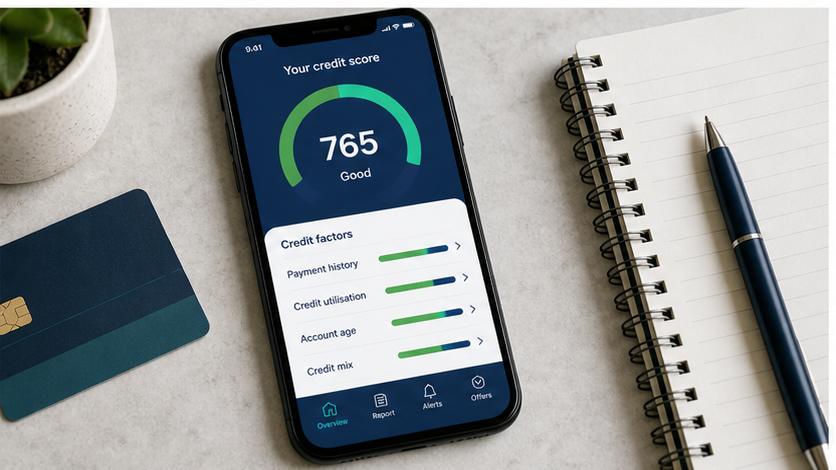
This guide explains how to approach what's the highest credit score, including the preparation, practical steps, common mistakes, and final checks that help you finish with confidence.
Before You Start Chasing a High Score
Step-by-Step Instructions to Understand and Improve Your Score
Quick Reference: UK Credit Score Ranges
Common Misconceptions About High Credit Scores
Believing there's one single 'universal' credit score
This is the most common myth. As we've covered, you have different scores from at least three agencies. Furthermore, lenders don't just use this score. They apply their own internal 'scorecard' based on the information in your report, the details on your application form (like your income and job), and your history with them as a customer. A high CRA score is a great start, but it's only one piece of the puzzle.
Thinking a perfect score guarantees you'll get credit
Even with a perfect 999 from Experian, a lender can still turn you down. The most common reason is affordability. Lenders must be confident you can afford the repayments. If your income is low, your expenses are high, or the loan you're applying for is very large, they may reject your application despite your pristine payment history.
Closing old, unused credit accounts will help your score
This can seem logical—fewer accounts means less risk, right? However, it can often have the opposite effect. Closing an old account reduces the average age of your credit history, which can lower your score. It also reduces your total available credit, which means your existing balances will represent a higher credit utilisation ratio. Unless the account has an annual fee you want to avoid, it's often better to keep an old, well-managed account open, even if you don't use it regularly.
Advanced Tips for Maximising Your Score
Use 'Soft Search' Eligibility Checkers
Before you formally apply for a credit card or loan, use an eligibility checker tool. Many comparison sites and lenders offer them. These perform a 'soft search' on your credit file, which doesn't affect your score, to give you an indication of how likely you are to be accepted. This prevents you from accumulating multiple 'hard searches' from failed applications in a short space of time, which can make you look desperate for credit and lower your score.
Check for and Remove Old Financial Associations
If you've ever had a joint financial product with someone, like a joint bank account or mortgage, you create a 'financial association' on your credit files. This means their credit history can affect yours. If you are no longer financially linked to that person (e.g., after a separation), you can apply to the CRAs for a 'financial disassociation' to break that link. You'll need to prove that you no longer share any active joint accounts.
Space Out Credit Applications
Every time you formally apply for credit, it leaves a 'hard search' on your report. While one or two aren't a problem, a flurry of applications in a short period can be a red flag for lenders. It can suggest you're in financial difficulty. As a general guide, try to leave at least 3 months, and ideally 6 months, between applications for significant credit products like loans, mortgages, or new credit cards.
What's The Highest Credit Score FAQ
What is the absolute highest credit score in the UK?
Does anyone actually have a perfect credit score?
Will checking my own credit score lower it?
Is a high credit score all I need to get a mortgage?
Final Checklist for Aiming for a High Credit Score
- Identify which credit reference agency a lender uses if possible.
- Check your credit reports with Experian, Equifax, and TransUnion regularly.
- Confirm you are registered on the electoral roll at your current address.
- Set up Direct Debits to ensure all bills are paid on time.
- Keep credit card balances low, aiming for below 30% of your credit limit.
- Review your reports for errors and dispute any inaccuracies you find.
- Use eligibility checkers before applying to avoid unnecessary hard searches.
- Focus on achieving an 'Excellent' rating rather than a specific perfect number.